Waste duty of care in Hampstead: fines and licensing
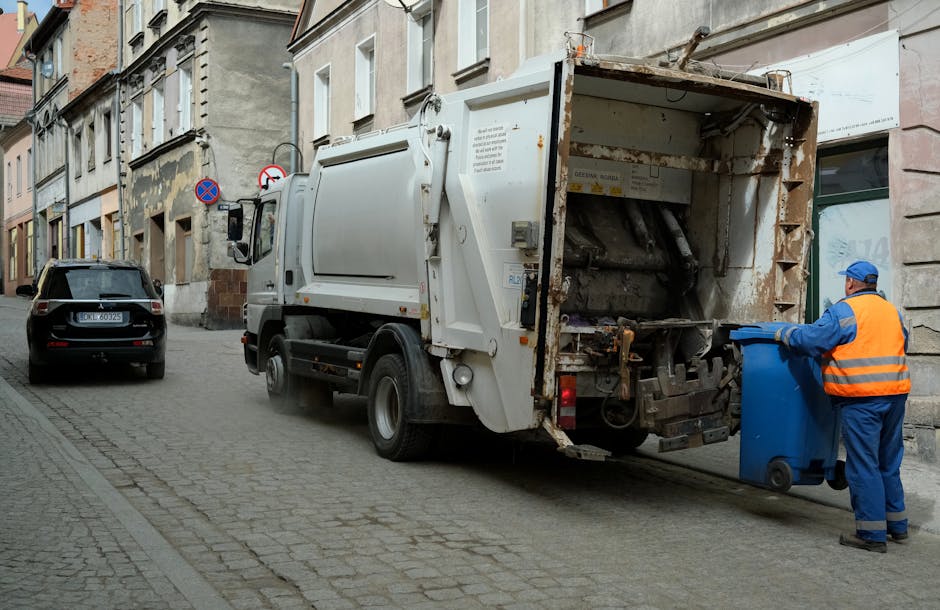
If you are arranging a clearance in Hampstead, whether that is a flat, an office, a garden, or a pile of builder's rubble after a refurb, the phrase Waste duty of care in Hampstead: fines and licensing is worth taking seriously. It sounds a bit formal, I know, but the idea behind it is simple: if you produce waste, you must make sure it is handled by the right people, in the right way, and with the right paperwork. Miss that, and the consequences can be messy, expensive, and frankly avoidable.
This guide explains what the duty of care means in plain English, how fines usually happen, what waste licensing has to do with it, and how people in Hampstead can reduce risk without turning a simple clearance into a compliance headache. It is written for homeowners, landlords, businesses, contractors, and anyone else who wants the job done properly the first time.
As a practical rule, good waste management is not just about clearing space. It is about protecting yourself, your property, and your reputation. And to be fair, that is one less thing to worry about on an already busy day.
Why Waste duty of care in Hampstead: fines and licensing Matters
The duty of care exists to stop waste from being fly-tipped, dumped illegally, mixed up with hazardous items, or passed to someone who should never have collected it in the first place. In a place like Hampstead, where homes, shops, offices, and renovation projects sit very close together, one bad clearance can create problems quickly. A skipped mattress in a side street, builder's waste left on a pavement, or an unlicensed collector taking away mixed rubbish can all become your problem if you did not check things properly.
That is the bit people miss. Many assume that once a load has left the driveway or loading bay, responsibility ends there. It does not. If you produced the waste, you still need to show you acted responsibly. That usually means using a legitimate waste carrier, keeping records, and making sure the waste went somewhere lawful.
The licensing part matters because not everyone who offers a cheap collection is authorised to take waste. If a collector is not properly licensed, or if their licence does not cover the type of waste they are taking, you can end up tied to the fallout. That can include fines, enforcement action, and a lot of awkward questions if a check is made later. Nobody wants that phone call on a Monday morning, believe me.
For businesses, the stakes are often higher. Offices, landlords, retail premises, building sites, and property managers may have repeat waste streams and more paperwork to maintain. But even a one-off household clearance should be handled with care. The law does not really care whether it was a big job or a small one.
For a broader look at organised removal options, you may also want to review waste removal and business waste removal services that are set up to handle compliance as part of the job, not as an afterthought.
How Waste duty of care in Hampstead: fines and licensing Works
The duty of care is really about due diligence. You need to make sensible checks before handing waste over to someone else. In practice, that means confirming who is collecting it, what they are licensed to carry, and where the waste will go. If the waste includes furniture, wood, plasterboard, soil, electrical items, or anything potentially hazardous, the checks become even more important.
The usual workflow is straightforward:
- You identify the waste type and how much needs removing.
- You choose a collector or clearance provider.
- You confirm they are authorised for waste transport and disposal.
- You keep a record of the collection, invoice, or transfer note where appropriate.
- You make sure the waste is separated sensibly if different materials are involved.
The licensing side is often where people get caught out. A legitimate waste carrier should be able to show that they are registered to transport waste. That does not necessarily mean they can take every possible material without restrictions. For example, mixed builders' waste, old furniture, or garden waste may be fine for a standard collection, but certain items may need extra handling. You want a provider who can explain that clearly instead of waving a hand and saying, "don't worry about it." Actually, do worry about it.
Fines usually come in where there has been negligence or a clear failure to check. If waste is found fly-tipped and traced back to you, or if you used someone with no proper licence, the burden can land heavily. A single cheap collection can become a costly lesson. That is why people who have been through it once tend to become very careful, very fast.
If your clearance involves bulky household items, it can help to understand how different services fit together. For example, house clearance, flat clearance, and office clearance each create slightly different compliance questions depending on the contents and volume.
Key Benefits and Practical Advantages
Doing waste compliance properly is not just about avoiding trouble. It also makes the job smoother. In real terms, that means fewer delays, less confusion on site, and a cleaner handover when the last item is loaded. People often think compliance slows everything down. It can, if you do it badly. Done well, it saves time.
- Reduced risk of fines: Proper checks lower the chance of being linked to illegal disposal.
- Clearer accountability: You can show who collected the waste and when.
- Better reputation: Businesses in Hampstead benefit from looking organised and responsible.
- Less stress: Paperwork and licence checks are easier than dealing with an enforcement issue later.
- Improved recycling outcomes: Responsible handlers usually sort reusable and recyclable materials more effectively.
There is also a practical benefit that people overlook: better planning. When you know what can and cannot go together, you waste less time on the day of the clearance. That is particularly useful for tight-access streets, basement properties, shared entrances, and the kind of parking situation that makes everyone sigh a little. Hampstead can be charming and challenging at the same time, which is sort of its thing.
If sustainability matters to you, it is worth looking at providers that talk openly about recycling and sustainability. That does not replace compliance, of course, but it does show the waste chain is being handled with some care.
Who This Is For and When It Makes Sense
This topic matters to a lot more people than you might think. In practice, waste duty of care applies any time waste changes hands. If you are handing waste to a third party, you should be thinking about licensing and traceability.
It is especially relevant for:
- Homeowners clearing lofts, garages, sheds, or spare rooms
- Landlords and letting agents between tenancies
- Office managers disposing of desks, chairs, IT clutter, and packaging
- Builders and contractors moving rubble or renovation debris
- Estate executors dealing with mixed household contents
- Small businesses that do not generate enough waste for a full-time contract but still need proper removal
It makes sense whenever you are unsure whether the person collecting your waste is genuinely legitimate. It also makes sense if you are comparing quotes and one is noticeably cheaper than the others. Sometimes that is just efficiency. Sometimes it is a shortcut somewhere in the chain. You can probably guess which one ends badly.
For domestic clearances, related services such as home clearance, loft clearance, and garage clearance often involve mixed waste streams, so a careful check is well worth the few extra minutes.
Step-by-Step Guidance
Here is a sensible way to approach waste duty of care in Hampstead without overcomplicating it.
1. Identify the waste properly
Make a quick list. Furniture, broken appliances, garden clippings, plasterboard, packaging, black bags, metal, timber, paint tins, and electrical items may all need different handling. If you do not know what something is, take a photo and ask before collection. That one small pause can save you a larger headache later.
2. Separate anything risky or special
Keep hazardous or awkward items aside. Paint, chemicals, batteries, and some electrical waste should not be lumped in with general rubbish. A decent provider will tell you what should stay out of the main load.
3. Check the collector's licensing status
Ask whether the carrier is registered to transport waste and whether their service covers the type of load you have. If they dodge the question, that is your answer, really.
4. Get the paperwork right
Keep records of the booking, collection details, and invoice. For business waste, the paperwork trail matters even more. It is not glamorous, but it is useful when someone later asks, "who took this away?"
5. Make sure the waste has a lawful destination
Ask how the waste will be processed. Reuse, recycling, transfer station, disposal facility, or specialist treatment depending on the load. You do not need a novel, just enough clarity to know it is going somewhere proper.
6. Use the right service for the job
A general waste drop-off is not always the right choice. If you are dealing with builders' debris, a dedicated option like builders waste clearance can be more suitable. For office items, a focused service like office clearance may be a better fit.
That's the basic flow. Simple on paper, but surprisingly easy to skip when everyone is rushing.
Expert Tips for Better Results
From experience, the best waste projects are usually the boring ones. The load is described clearly, the access is checked, and the provider knows exactly what they are taking before they arrive. No drama. No last-minute panic. Lovely stuff.
- Take photos before collection: It helps avoid disputes if the load changes or if there is confusion about what was included.
- Ask about mixed loads: Mixed waste can affect how items are sorted, priced, and processed.
- Be direct about awkward items: If there is a fridge, mattress, broken mirror, or renovation debris, say so up front.
- Keep access in mind: Narrow staircases, no lift, resident parking, and basement access can all affect the plan.
- Use one provider for the full job: Splitting waste between unknown collectors makes compliance harder to track.
One small but useful habit is to ask, "what happens if something on the load is not accepted?" A good answer should be practical, not vague. If someone says they will "sort it out later," you may want to slow down and think again.
For organisations that value clear policies, a provider's health and safety policy, insurance and safety information, and terms and conditions can also help you judge whether they run a disciplined operation.
Common Mistakes to Avoid
Most waste problems do not begin with bad intentions. They begin with rushed decisions and a bit of "it'll be fine." Then, later on, it is not fine.
- Using the cheapest collector without checking their licence
- Assuming the problem ends once the waste leaves your premises
- Mixing hazardous items into general waste
- Ignoring paperwork because the job felt small
- Not asking where the waste will go
- Leaving waste on the street or outside a property overnight
- Failing to tell the collector about special access or restricted parking
One of the more common mistakes in Hampstead is underestimating how quickly a neatly stacked pile can turn into an obstruction or a complaint if it sits out too long. A neighbour notices, a passer-by reports it, and suddenly the job that should have taken half an hour becomes a lot more involved. Not ideal.
Tools, Resources and Recommendations
You do not need fancy systems to manage duty of care well, but a few simple tools can make life easier:
- A basic waste inventory list for what is being removed
- Phone photos of the load before collection
- A folder for invoices and collection notes
- A short internal checklist for staff or tenants
- A standard question list for any waste provider you are considering
If you are comparing providers, look at how clearly they explain pricing, what is included, and what is excluded. A transparent quote process is usually a good sign. You can also review pricing and quotes if you want to understand how a reputable clearance business structures its costs before booking.
For customers with multiple types of waste, it can help to book related services separately rather than trying to force everything into one vague collection. For instance, furniture disposal may be best handled differently from heavy building debris or garden cuttings.
And if you want an easy starting point, a simple question to ask any provider is: "Are you licensed to take this waste, and can you explain what happens next?" The answer should be calm and clear. If it sounds slippery, trust your instincts.
Law, Compliance, Standards, or Best Practice
Waste duty of care in the UK is a legal responsibility, and the practical expectation is that waste is transferred only to someone who is authorised to carry it. In simple terms, you should act reasonably, keep records where needed, and avoid handing waste to unverified operators. The exact obligations can vary depending on whether you are a household, landlord, contractor, or business, but the underlying principle is the same: you remain responsible for ensuring waste is handled correctly.
Licensing is closely linked to this. A waste carrier or collector should hold the right registration or authorisation for the work they are doing. That does not mean every provider will explain the legal details in full, but they should be able to prove they are legitimate and operating within the rules. If they cannot do that, the risk goes up fast.
Best practice usually includes the following:
- Check the collector before booking
- Separate waste streams where practical
- Retain documentation for each collection
- Use a provider with clear insurance and safety arrangements
- Keep especially careful records for business and construction waste
For larger or repeat commercial collections, a structured service such as business waste removal can be preferable because it usually fits better with ongoing compliance needs. If you are clearing a construction site or renovation area, builders waste clearance may be the more appropriate route.
One important point: if you are ever unsure, do not guess. Waste compliance is one of those areas where a quick call or a few extra checks are far cheaper than dealing with the aftermath. That's just the honest version.
Options, Methods, or Comparison Table
Different clearance methods suit different situations. The right choice depends on waste type, volume, access, urgency, and how much record-keeping you want to handle yourself.
| Method | Best for | Pros | Watch-outs |
|---|---|---|---|
| Self-managed disposal | Very small, simple loads | Direct control, flexible timing | You carry the compliance burden, plus transport and site time |
| General waste collection | Routine non-hazardous waste | Straightforward for regular use | May not suit bulky, mixed, or specialist items |
| Dedicated clearance service | House, flat, office, loft, or garage clearances | More efficient, better handling of mixed loads | You still need to check licensing and scope |
| Specialist builder or commercial clearance | Construction waste, business waste, larger projects | Better suited to compliance and scale | Needs clearer planning and description of contents |
In most Hampstead residential or mixed-use situations, a dedicated service is usually the safest route because it reduces confusion and keeps the paper trail simpler. It is not always the cheapest at first glance, but it often becomes the better value once you factor in time, access, and risk.
Case Study or Real-World Example
Picture a typical Hampstead flat clearance. A landlord has a one-bedroom property to prepare between tenancies. The flat contains a sofa, two wardrobes, a broken desk, a small pile of old kitchen items, and a bag of mixed bits from the cupboard under the sink. Nothing dramatic. Just the usual late-turnover clutter.
The first instinct is often to book the cheapest available collection. But in this case the landlord pauses and asks for confirmation that the collector is licensed, what happens to the waste, and whether any items need to be separated first. A few quick questions, that's all.
That simple check changes the outcome. The sofa and wardrobes are taken as part of a legitimate clearance, the mixed items are handled properly, and the landlord keeps a clear invoice and collection record. No hassle later, no uncertainty, no "who actually took this?" conversation six weeks down the line.
Now compare that with a poor version of the same story. The same load is handed to an unverified collector. The waste is later found dumped elsewhere, and the landlord has to prove what checks were made. Even if the issue is resolved, the time, stress, and possible penalties make the saving look tiny. Honestly, it usually does.
That is why duty of care is less about paperwork for paperwork's sake and more about choosing a process that protects you from avoidable trouble.
Practical Checklist
Use this quick checklist before any waste handover in Hampstead:
- Have I identified all the waste types accurately?
- Have I separated anything hazardous, fragile, or special?
- Have I checked that the collector is appropriately licensed?
- Do I know where the waste will go?
- Have I kept a record of the booking or collection?
- Are the access and parking arrangements clear?
- Have I told the provider about bulky or awkward items?
- Do I understand what is included in the quote?
- Have I chosen the right service type for the job?
- Would I be able to explain the waste trail if asked later?
Expert summary: If you can explain who took the waste, what they were authorised to do, and where the load was meant to go, you are already in a much stronger position than most people who rush the job.
That is the real aim here. Not perfection. Just sensible control.
Get a free quote today and see how much you can save.
Conclusion
Waste duty of care in Hampstead is not something to fear, but it is something to respect. The fines and licensing side of things only become a problem when people skip the checks, use the wrong collector, or assume responsibility ends when the van drives away. It does not.
If you keep the process simple, ask the right questions, and choose a provider that can explain their licensing and waste handling clearly, you put yourself on much safer ground. That is true whether you are clearing a home, a flat, a loft, an office, or a building project. A little care at the start saves a lot of grief later.
And, honestly, it is nice to finish a clearance knowing everything has been handled properly. There is a quiet satisfaction in that. The room is empty, the paperwork is tidy, and your conscience is clear.
Frequently Asked Questions
What does waste duty of care mean in plain English?
It means you must take reasonable steps to make sure your waste is transferred to someone authorised to handle it and that it is disposed of properly. You cannot just hand it over and forget about it.
Can I be fined if my waste is fly-tipped by someone else?
Yes, potentially. If you failed to check the collector properly, your responsibility may not end when they leave with the waste. That is why records and licence checks matter.
How do I know if a waste collector is licensed?
Ask directly and expect a clear answer. A legitimate operator should be able to show they are authorised to transport waste and explain what they can take.
Does duty of care apply to homeowners as well as businesses?
Yes. Businesses usually have more formal record-keeping needs, but households still need to act responsibly when transferring waste to someone else.
What kind of records should I keep?
Keep booking details, invoices, collection notes, and any information that shows who collected the waste and when. For business waste, keep the paperwork especially tidy.
Is it enough to choose the cheapest clearance company?
Not really. Price matters, of course, but licensing, insurance, and waste handling are just as important. A cheap job can become expensive if the waste is mishandled.
Do I need different checks for builders' waste?
Usually, yes. Builders' waste can include heavier, mixed, or more awkward materials, so it is worth confirming that the provider is set up for that type of load.
What should I do with hazardous items?
Keep them separate and ask the provider how they should be handled. Do not mix them into general waste unless you are certain that is allowed and appropriate.
Why does licensing matter so much?
Because licensing is one of the clearest signs that a waste carrier is operating legally. If they are not properly authorised, you could be left dealing with the consequences.
What is the safest approach for a household clearance?
Use a recognised clearance service, describe the load honestly, keep a record of the collection, and check that the provider is suitable for the type of waste involved.
Can I mix furniture and other household waste together?
Sometimes yes, but it depends on the items. A good provider will tell you whether the load should be sorted first, especially if there are special items mixed in.
Where should I start if I am unsure about compliance?
Start by asking the collector what licence they hold, what waste types they accept, and what paperwork you will receive. If the answers are clear, you are on the right track. If not, keep looking.
Helpful internal links for related services
If you are planning a clearance and want to understand the practical side of different waste types, it can help to compare service pages such as furniture clearance, furniture disposal, and garden clearance. For company background and service standards, about us is also useful, while the contact page is there if you need to ask a specific question before booking.
Those small checks really do help. Waste compliance is not glamorous, but it is one of those quiet bits of housekeeping that keeps everything else running smoothly.